Corgi Lifespan and Senior Care: What to Expect as Your Corgi Ages
Please see your vet. This guide is general education, not a diagnosis or treatment plan. If your corgi seems unwell, call your veterinarian. If it looks like an emergency, go to an emergency vet right away.
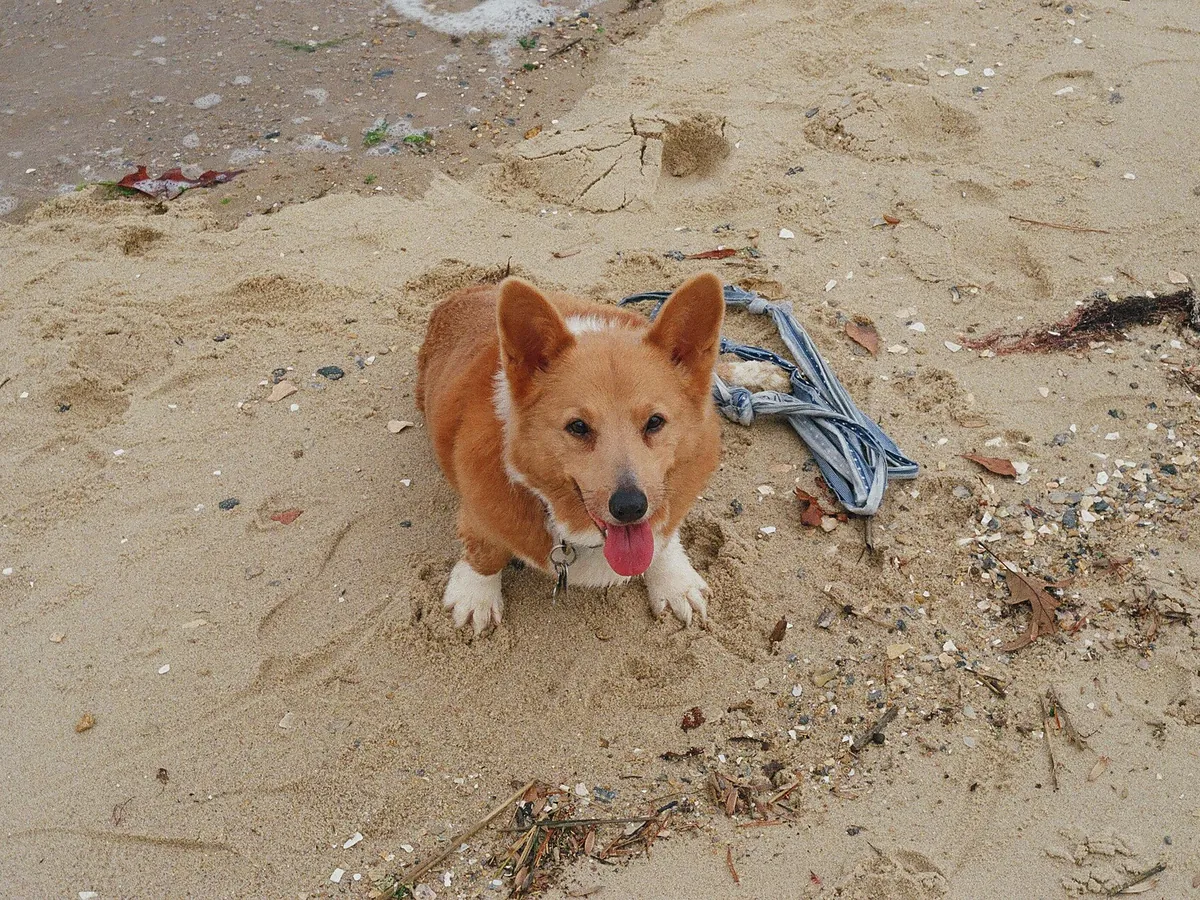
Photo: Sean Dudley via Wikimedia Commons, Public domain
A senior corgi is still a corgi: curious, opinionated and happiest when comfortable. Aging changes how they move, sleep and learn, but “just getting old” is not a diagnosis. Partner with your veterinarian so treatable pain and disease are not missed.
Lifespan: what the AKC lists
According to the AKC Pembroke Welsh Corgi page, life expectancy is 12–13 years. The AKC Cardigan Welsh Corgi page lists 12–15 years.
The AKC longevity overview explains that averages vary with size, breed and health, and that an individual dog may live shorter or longer than the midpoint. Use the numbers as context for planning senior care, not as a countdown clock.
What helps dogs live well longer
AKC’s longevity article highlights a healthy diet, healthy weight, vaccines and preventives, knowing breed-related diseases, regular veterinary checkups and avoiding toxins. It also summarizes research linking obesity to a shorter lifespan and to problems such as osteoarthritis and intervertebral disc disease.
For a long-backed breed, staying lean is especially practical. See corgi healthy weight. Choosing breeders who follow parent-club health testing guidance from groups such as the PWCCA is another early step for puppies you have not yet brought home.
Signs of aging to notice
- Slower rising, hesitation at steps or shorter walks
- Hearing or vision changes (not responding to name, bumping in dim light)
- Muscle loss over the thighs or back with a pot-bellied look
- Night pacing, confusion or changes in housetraining
Book a vet visit when these appear suddenly or worsen quickly.
Senior care at home
| Focus | Habit |
|---|---|
| Traction | Runners on slick floors |
| Spine | Ramps instead of furniture jumps (back care) |
| Sleep | Supportive bedding |
| Exercise | Shorter, more frequent flat walks |
| Monitoring | Keep a weight journal |
The 2023 AAHA Senior Care Guidelines frame senior care as medical, behavioral and environmental support, and push back on the idea that decline is automatically “just age.” AAHA Table 1 recommends many blood and urine screens every 6–12 months for senior dogs. Ask your clinic what cadence fits your dog.
Mobility diseases to keep on the radar
Watch for the hind-end changes described in our degenerative myelopathy and IVDD guides. Painful, sudden weakness is an emergency; slow, non-painful scuffing still needs a veterinary workup.
Quality of life and emergencies
Track appetite, interest in family, ability to rest comfortably and bathroom habits. When hard days start to dominate, ask your veterinarian for an honest quality-of-life conversation and pain-management options. That talk belongs with a clinician who knows your dog.
Seek emergency care for collapse, labored breathing, a bloated hard belly with unproductive retching, seizures, sudden paralysis, severe pain or pale or blue gums.
Aging well is a team sport: you notice the day-to-day changes, and your vet turns them into a plan.
Frequently asked questions
How long do Welsh corgis live?
The AKC Pembroke Welsh Corgi breed page lists a life expectancy of 12–13 years, and the AKC Cardigan page lists 12–15 years. Those are breed averages, not a promise for your dog. Genetics, weight, preventive care and luck all matter.
When is a corgi a senior?
Ask your veterinarian when your dog enters the senior life stage. Size, breed and health history all affect timing. The 2023 AAHA Senior Care Guidelines focus on more frequent monitoring and tailored care once a pet is senior, rather than treating "old age" as an untreatable disease.
How can I help a stiff senior corgi?
Non-slip rugs, orthopedic bedding, ramps instead of jumps, and shorter, more frequent walks on flat ground are common comfort steps. Pain control, joint therapies and diet changes belong to your veterinarian — do not start supplements or human pain medicines on your own.
How often should a senior corgi see the vet?
Follow your clinic's senior plan. AAHA's 2023 senior-care table recommends many routine laboratory screens every 6–12 months for senior dogs, with some tests annually. That supports more frequent check-ins than a young adult's yearly visit for many pets.
A quick note: this guide is general information from published sources, written by dog lovers, not a veterinarian. Your own vet knows your dog's history, so check with them before changing food, exercise or treatment.
Sources
Keep reading

Degenerative Myelopathy in Corgis: Signs, Testing and What Owners Can Do
Degenerative myelopathy in corgis explained with vet-backed early signs, SOD1 testing limits, supportive mobility care and when to call your vet.

Corgi Back Problems: IVDD, Stairs and How to Protect That Long Back
Corgi back problems and IVDD explained with vet-backed signs, everyday spine care, safer stairs and furniture habits, and when to seek emergency care.


Corgi Obesity: How to Keep a Food-Loving Corgi at a Healthy Weight
Keep a corgi at a healthy weight with vet-backed body-condition checks, measured meals, a treat budget and gentle daily movement that protects joints.